Early April is the time we start thinking about sowing our first lettuces for outside transplanting. Despite the odd weather –we have had more snow here in the past few days than in January and February combined!– we are sowing and pricking out now in the hoop house for our spring outside-planted lettuces. In the greenhouses, lettuce season is already well under way, but for the first lettuces that will be planted outside in the garden, now is the time to start those seedlings. As the warmer weather comes in May, we love to load up our salad bowls with all the diverse colors, textures and shapes that our buttery, tender, crisp and sweet lettuces comes in!
Starting seeds indoors gives you a great jump on the season, but you need to pay attention to a few key things: Light, temperature and moisture.
Lettuces, like all indoor-sown starts, will need as much light as you can get for them. Sunny windows work just fine, but on any days that warm up above 50F, you can also put your lettuces outside for extra light. Grow lights help too, but outdoor light is the very best for plants, as long as the temperature is warm enough, and they are kept out of the wind. The more you can bring your seedlings outside, the stronger and less leggy they will be. Strong seedlings make healthy, strong plants. Lettuce seeds like some light when germinating, so only lightly cover them with soil, so you can still see the seeds.
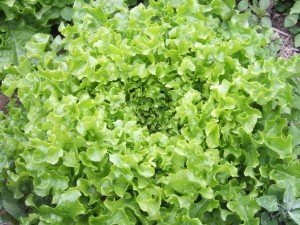
Winter Density Lettuce growing outside in the spring
Lettuces don’t want the hot temperatures that your eggplant and pepper seedlings love, so if you have a cooler, but still very sunny windowsill, that’s best.
Lettuces, like most seedlings, like good even moisture, but don’t like to be soggy, or they will become susceptible to diseases such as damping-off.
Lettuce Seedling more than ready to be pricked out
We generally sow our lettuce seeds fairly thickly (see the picture above) in lines in a tray, then “prick” them out (transplant them) to give them more room once they have germinated. To prick out lettuces, gently loosen the seedlings from underneath with a wooden seed label, the handle of a spoon or a Popsicle stick. Take one seedling at a time and move it to a new home in another container or flat. If you prick them out before the first true leaves appear, the lettuce seedlings will be small and a little fiddly to handle, but the root system will be easier to work with, as each seedling will only have one single rootling. Lettuces like their roots to go straight down, so make sure you poke a good hole for the transplants, but you can also trim off the roots so that there is about 1 inch left on the seedling, as more roots will begin to grow right away. Also, lettuces like to be planted with the soil at the same level as they have been growing–they don’t like to get soil too far up on their stems or between their leaves, as this can cause disease problems. Handle delicate lettuce seedlings very gently by the leaves rather than the stems–lettuces will grow lots more leaves, but they only get one stem, so if it gets damaged, that sets back or can even kill the plant. Gently but firmly tamp down the soil around each seedling as you plant it. We generally give each lettuce seedling about 2 inches of space on each side when we prick them out, so that they have some room to grow, but also so that we can fit plenty into a tray. When they’ve been pricked out, the lettuces will be happy in their trays, given adequate light, not too much warmth, and a steady but not soggy amount of moisture until the end of April or early May when it will be time to plant them outside in a well-prepared garden bed.
Lettuces don’t need a lot of compost, so if there is an area that got some last year, perhaps where you had grown squashes, tomatoes or cabbages, that spot should do just fine for lettuces without additional compost.
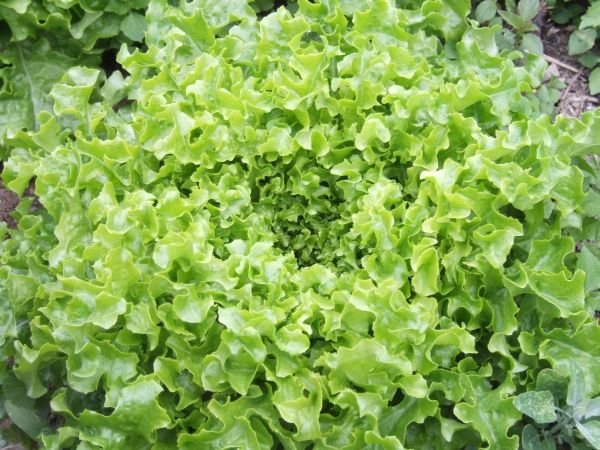
For a steady supply of lettuce throughout the spring, summer and fall, we plant many different varieties, some are best suited to the cool spring and fall months, some can stand up to more heat. Read the descriptions to make sure you’re getting what you need for your garden plans. Also, we sow in succession so that we always have fresh lettuce coming along, since when lettuce starts to get old and bolt (send up a stalk) it can get bitter. This means that about every three weeks, we sow some more lettuces. Lettuces grow fairly quickly, and since we like to salads nearly every day (sometimes twice!) we plan on sowing enough for a two to three week period. For a small household this may mean only a few lettuces, or for a larger garden that feeds many this may mean many. Think about your salad needs and wishes, and sow for those!Austrian Frilly Green Leaf Lettuce, one of our earliest to head-up in the spring
Eggplants, peppers (both hot and sweet), and flowers like cockscomb, dahlias from seed, cosmos, and many others, like to get a good head start indoors before being planted outside after the danger of frost has past. We like to give our eggplants and peppers a good eight weeks before planting out, and most flowers about six weeks. Grow lights are a huge help if you don’t have a greenhouse, but in a pinch a very sunny, south-facing windowsill will also do fine. Make sure to bring your seedlings outside on warm days (over 68F) so that they can get stronger–even on grey days outdoor light is much stronger than anything we can get or make indoors, and better light makes stronger plants. However, make certain to bring them back in, as the nights are still way too cold for these warmth-loving seedlings!
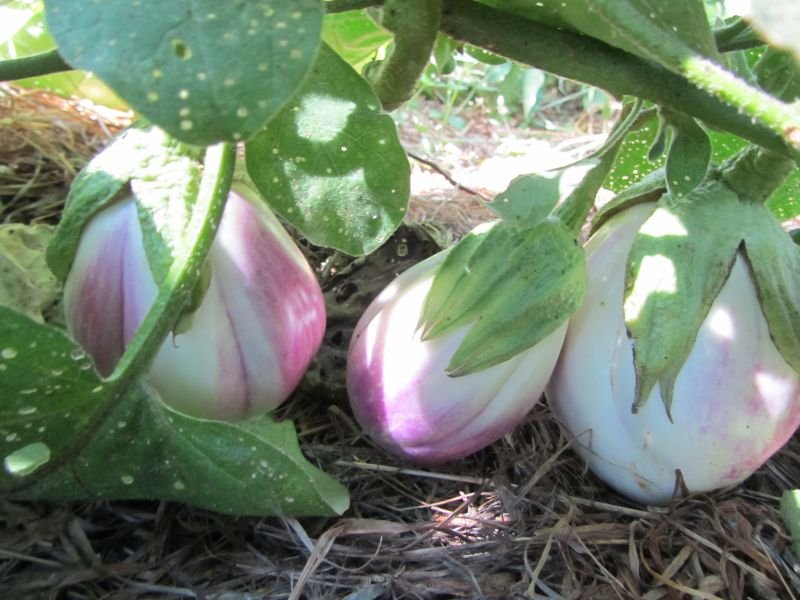
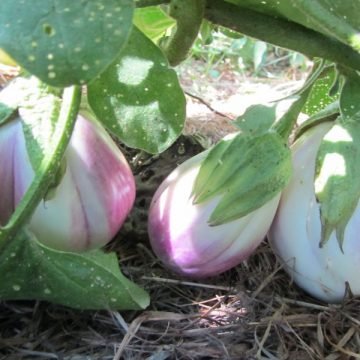
Rosa Bianca eggplants: Our favorite for stuffing, babaganoush, eggplant Parmesan, ratatouille and curries.
Rosa Bianca
In late winter and early spring, sometimes we need the kick of a little spiciness from last-year’s peppers to get us up and going. Sweet-hot pickled peppers can go on anything from cheese sandwiches to omelettes, meats and salads, or add extra kick as a garnish for soups. Use peppers that match your heat preference–sweet peppers like Sullivan’s Favorite or Jimmy Nardello for those who don’t like any heat at all, Anaheims or Early Jalapenos for those who like a bit of a kick, and Hot Paper Lanterns, Bolivian Rainbow or Aji Crystal for the real heat lovers, or you can mix and match in each jar. Now is the time to plan and sow for your late summer canning!
For simple, delicious sweet pickled peppers (whether hot or not), boil together:
2 cups apple cider vinegar
2 cups sugar
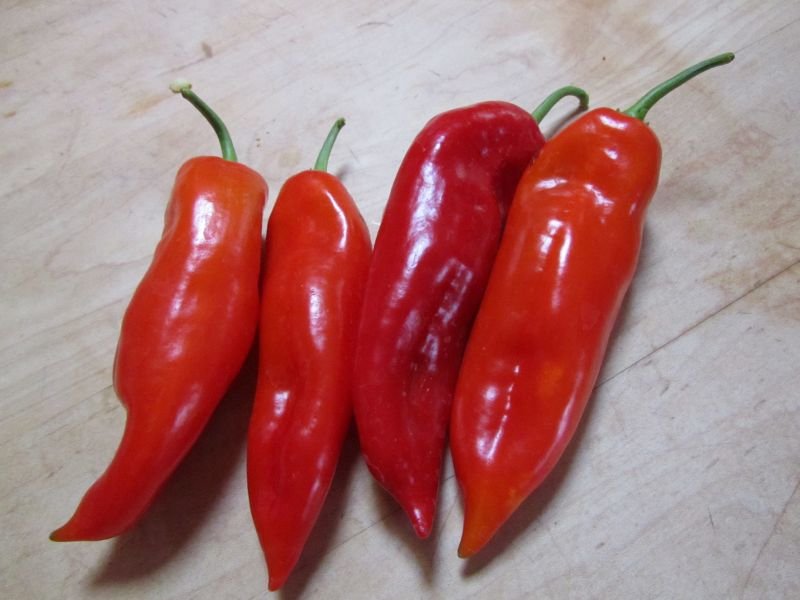
sullivan’s favorite frying
–>boil until all the sugar has melted, and the mixture has boiled a little.
–>Using sterilized jars and lids, tightly pack each jar (we use 8oz ball or mason jars) with sliced, seed-free peppers (in the case of the Bolivian Rainbows, you can use the whole pepper)
–>Pour the hot vinegar mixture over the peppers to cover them completely.
–> close the lids and boil in a hot water bath for 20 minutes. Enjoy after 2 weeks, and up to a year!
Always wear rubber gloves and have good ventilation when processing hot peppers! Those tasty treats can pack a punch, and sting eyes, hands, noses, and any skin they come in contact with!
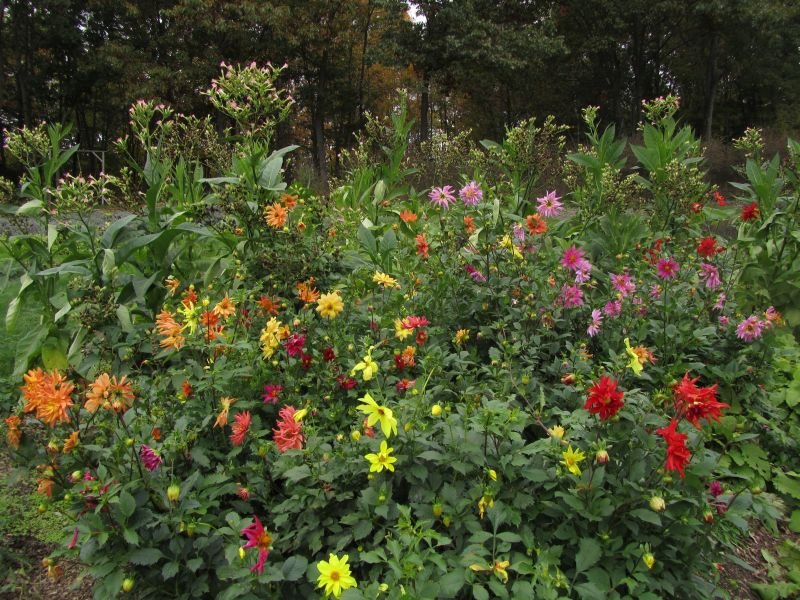
Dahlias brighten up any garden! Our Dahlia mix offers diverse colors and flower shapes, is very easy to grow, and the best thing, you can easily save your own seeds, or save the tubers from your favorite plants for next year!Dahlia mix
Winter Greens for your cold frame or hoop house–these cold-hardy gems can be sown throughout the winter for late winter and early spring harvests!
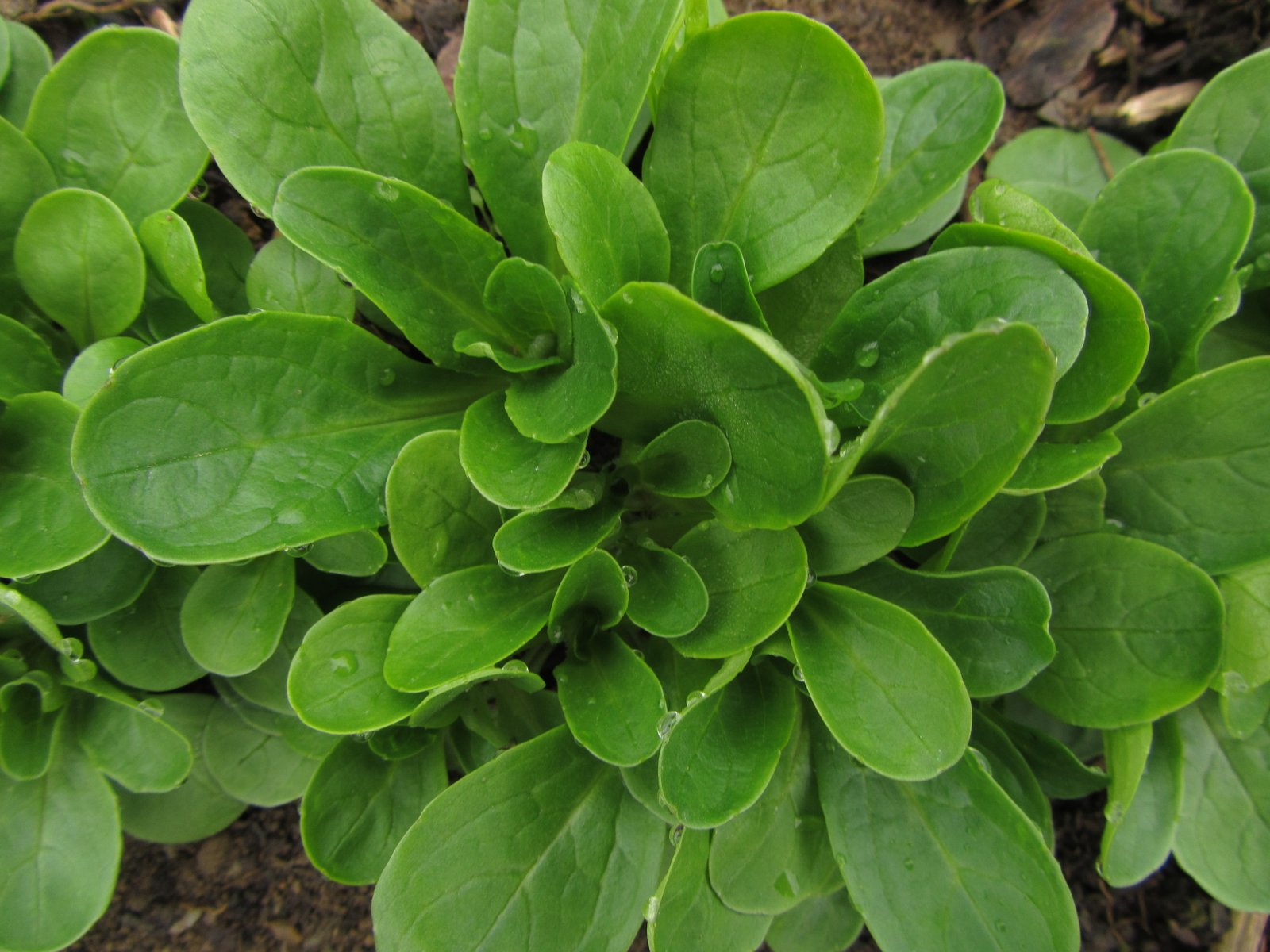
NY Hardy Corn Salad
Sowing Greens like NY Hardy Cornsalad, Miner’s lettuce (aka: Claytonia), Arugula, Asian greens, North Pole Lettuce, beet greens and spinach can happen throughout the winter. Fall sown crops are coming to maturity now, and it’s time to think of your late winter and early spring salads! If you have a cold frame, hoop house, sunny windowsill, or greenhouse, you can start sowing in the next few weeks. Most greens are happy to be direct seeded, and with a little love will begin to sprout slowly over a few weeks in a sheltered environment, even in fairly cold weather. To get the best out of your North Pole butterhead lettuce, it may be good to sow it and then transplant it into the growing area, since the heads will get to be a good 8-10 inches across.Cilantro is also especially cold hardy, and can be sown along with your winter greens.
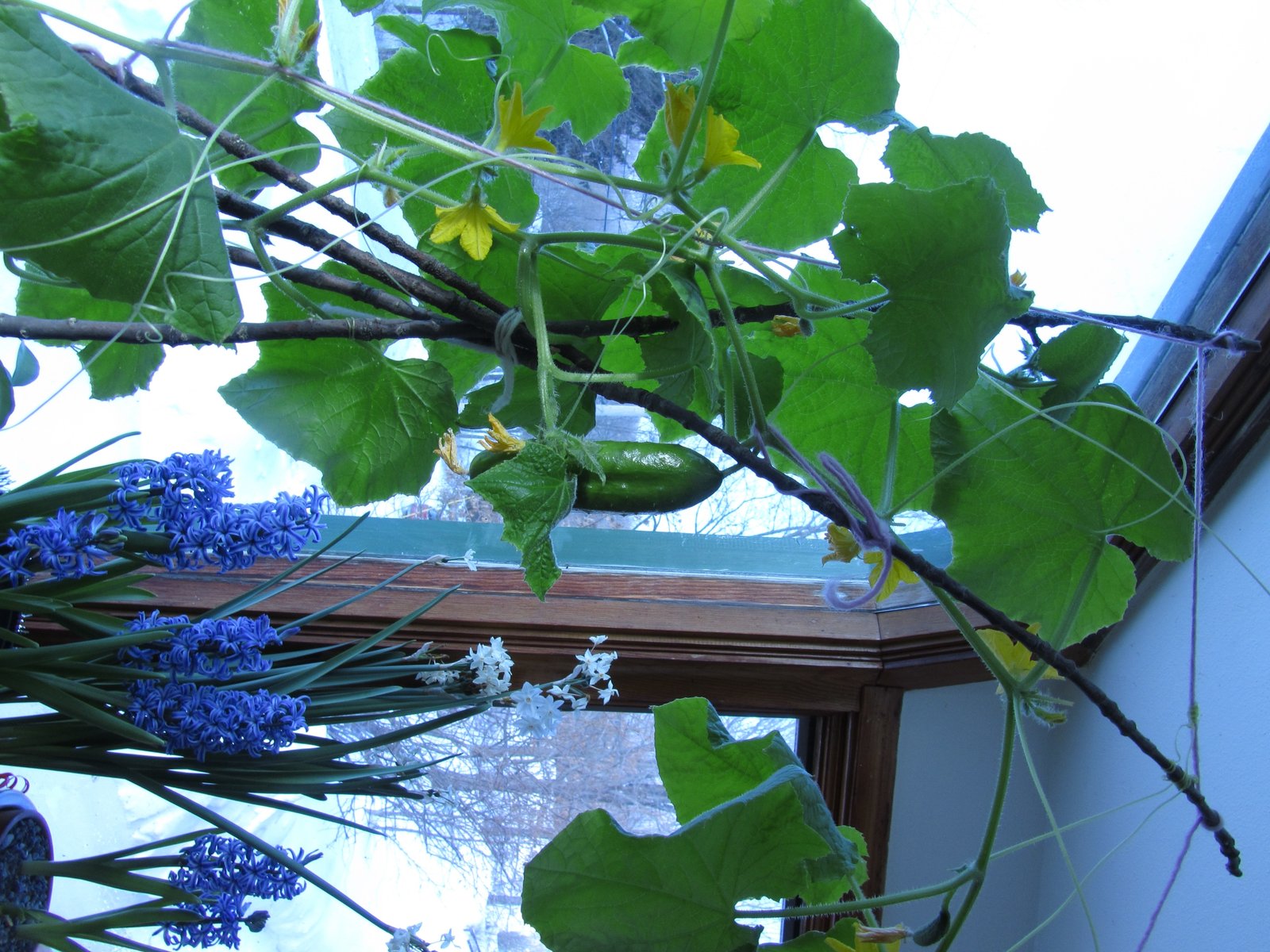
Cucumbers growing in a southwest facing window in February– these were sown in early December. If you sow in February, they should be at this stage at the middle of April.
For adventurous folks with good, sunny windows that catch the southern sun, some interesting winter houseplants are: carrots in deep pots, (these need thinning to size up but are very fun for kids!), radishes, snap or snow peas (peas need some creative support, we put a very branching stick or two into the pot so they can grow up the stick), beans –try bush beans like Black Valentine— planted in the next few days they’ll be up as a valentine greeting, bringing summer love into your wintertime. And last but definitely not least, cucumbers–try Shintokiwa for this– usually we’d plant two seeds per gallon pot and then count on tying up the plants along the window frame as they grow. The surprise with cucumbers is that the lovely yellow flowers are also vanilla scented!
It’s time to place your onion seed orders. Our onion seeds are cleaned, tested, and on the shelf waiting for your order!
Clear Dawn
Onions and leeks need plenty of time to get to a nice, pencil-sized plant ready to go outside in early spring. Here in Hudson Valley, NY in zone 5 with a latest frost date of May 15th, we usually start our onions in the early part of February and plant them out in late April. While it’s great to start your onions with a little bottom heat just to get the seeds germinated, once they’re up the seedlings are fairly hardy. We heat our hoop house with a small wood stove to try to keep it above 25 degrees F at night, and the warmer your growing area, the faster the seedlings will grow. Keep in mind that you want plenty of light so that the seedlings don’t get too leggy. If your seedlings look leggy despite your best efforts, just give them a little “haircut” by trimming off some of the top of each seedling, leaving about 2 inches. These delicious trimmings can be used like chives!
The next seeds we’ll start to sow after the onions and leeks are long-growing warm-loving seedlings like eggplant and peppers, and also the first crops out in the garden–spinach, lettuces, peas, radishes, arugula, cilantro, beets, and other cool-weather crops that can take a light frost.
Get news from Turtle Tree Biodynamic Seed in your inbox.
By submitting this form, you are consenting to receive marketing emails from: . You can revoke your consent to receive emails at any time by using the SafeUnsubscribe® link, found at the bottom of every email. Emails are serviced by Constant Contact